


Problem:
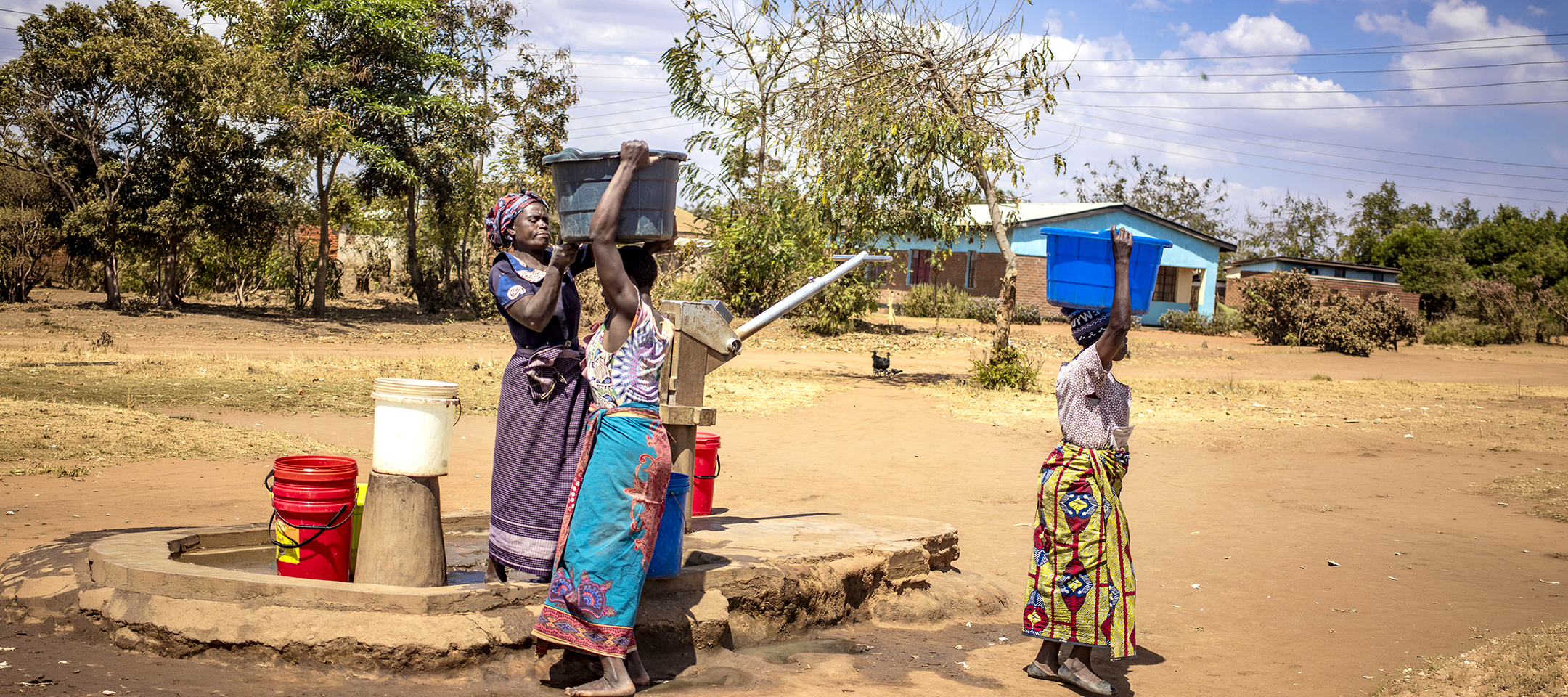
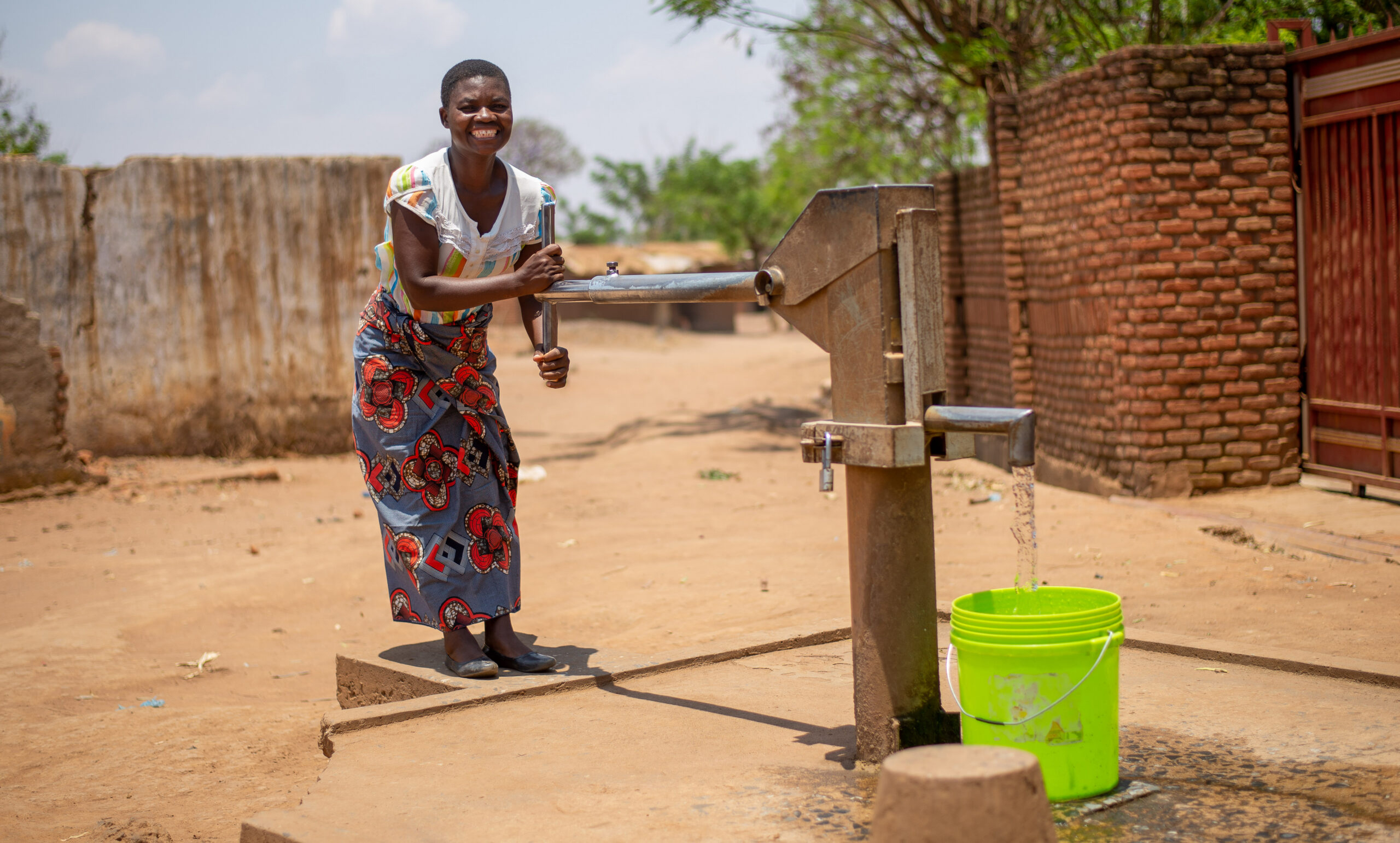
An estimated 200 million people rely on approximately 700,000 traditional hand pumps, such as the Afridev and India Mark 2 (IM2) for clean water across sub-Saharan Africa. Unfortunately, research estimates that up to 30% of these pumps are non-functional or not working properly at any given time, leaving millions of people without reliable access to clean water. Many of these pumps have fallen into such disrepair that they’ve been completely abandoned. Of those still in use, many are known to break down every few months—or even after a few weeks in high-use situations. When they are working, they often produce water with unacceptable levels of lead and are prone to rapid corrosion. This is a dire situation for the hundreds of thousands of people who rely on these pumps for their daily water needs, and we recognized the urgency of their plight.
Solution:
MaxLife Hand Pump Upgrades
The MaxLife™ Program currently includes two areas of focus to restore the hundreds of thousands of broken hand pumps across sub-Saharan Africa. By updating and rehabilitating existing infrastructure, we have the opportunity to bring safe water to more people than ever before. Designed for long-term water access on a large scale, this sustainable solution could revolutionize water access in developing countries.
MaxLife™ Upgrade Program
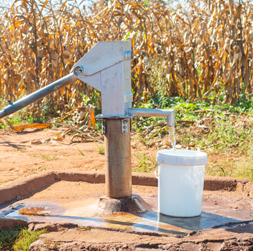
This solution is designed for traditional hand pumps such as the Afridev and India Mark 2 and 3 that are functional but experience frequent breakdowns. Design Outreach has developed upgrades that address common issues affecting these pumps, improving reliability for a fraction of the cost of ongoing repairs or installing a new pump.
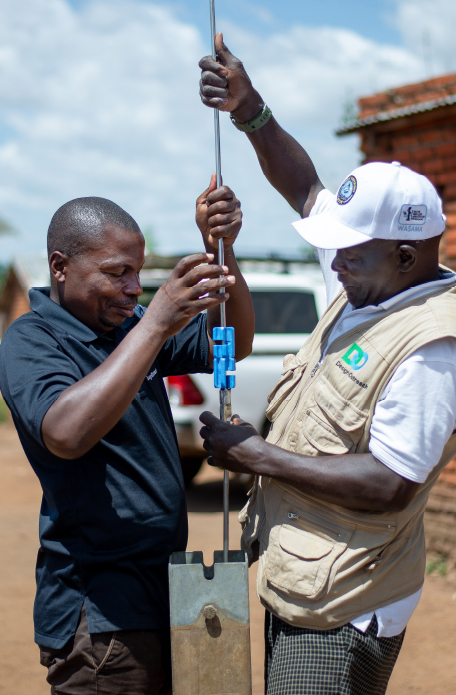
The key component is the MaxLife Centralizer. Developed by Poldaw Designs and Design Outreach, this low-cost part has the potential to reduce the frequency of breakdowns by an estimated 70-80%.
Rigorous field testing of this component has been completed on various pump types for over 5 years, resulting in generally low wear of centralizers and a substantial increase in the reliability of pump cylinder components. Communities have consistently reported that their pumps are easier to use and no longer break down, resulting in financial savings that can be used to invest in business, education, and other endeavors. Because of its potential to transform water access for vulnerable communities, the MaxLife Centralizer has been approved by the Malawian government for nationwide use.
MaxLife™ Pump Rehabilitation Program
This solution is for hand pumps that have become completely unusable. The water source is still there, but after years of breakdowns and costly maintenance, the pump has been abandoned. Through this program, Design Outreach will bring these pumps back to life with long-lasting MaxLife components.
Each pump rehabilitation follows a structured, community-centered process within a defined geographic area to maximize efficiency and impact. We work with government officials and area mechanics to identify non-functional pumps and assess the repairs and upgrades required to get them back up and running.
To ensure long-term sustainability, communities commit to a one-year service contract with a trained local mechanic, establishing a clear path for ongoing maintenance. We also work with communities to train and strengthen their Water Point Committees to manage funds, organize payments, and oversee pump care.
This system of sustainability will help ensure reliable access to safe water long after the pump has been rehabilitated.